• Helpline:

    020 8804 7474

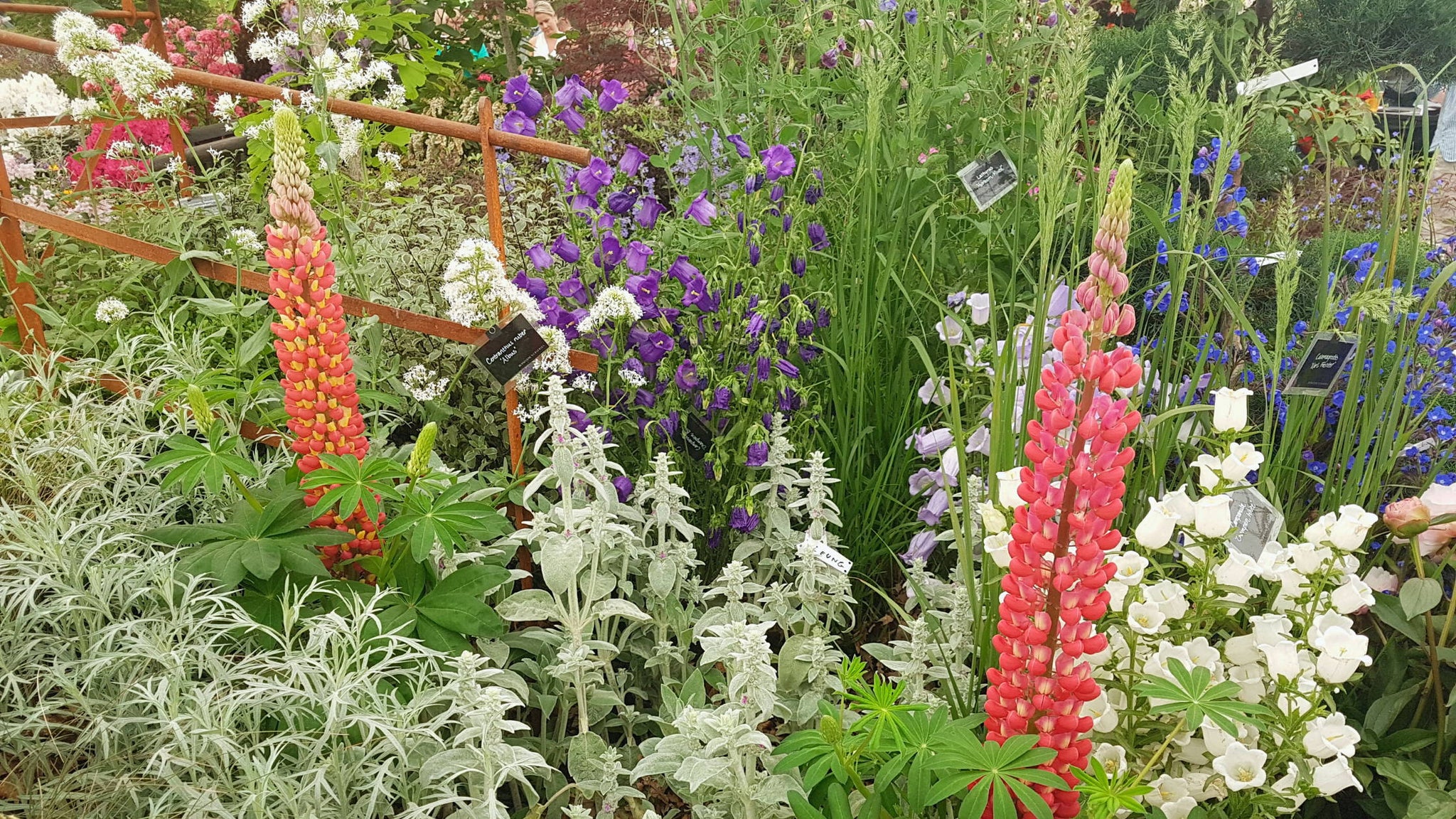
Although cottage gardens are often associated with plantings around a rustic cottage, they are appropriate around any home.  There is no reason to deny yourself the pleasure and beauty of a cottage garden simply because you do not live in a cottage.  The casual appearance of a cottage garden with its riot of colours and textures make this among the most attractive and inviting of any garden designs.

Cottage garden design is not difficult as long as you remember that to capture the spirit of these gardens.  You want to be sure to include flowers and plants that have a history of being used in a garden of this type.  Also, leave all formality behind and don’t plan every minor detail, part of the charm of a cottage garden is a careless, more naturalistic feeling.  Cottage gardens were first used by British peasants to grow their own food and medicine. They would grow their own herbs, fruits and vegetables, ensuring that their gardens were both aesthetically pleasing and practical. A few flowers were added between the vegetables, just because they looked nice, but most of the garden would wind up in the kitchen.

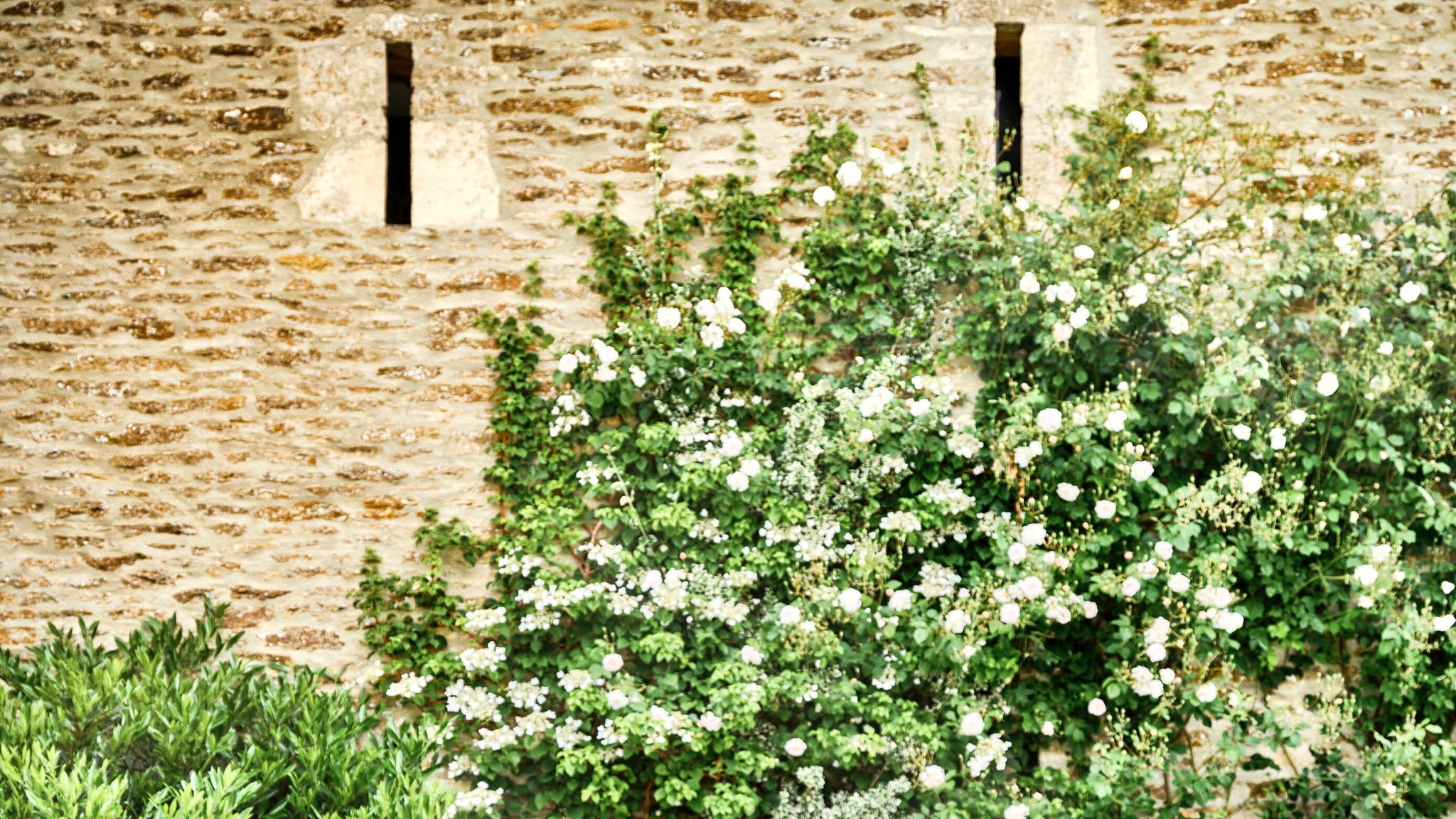
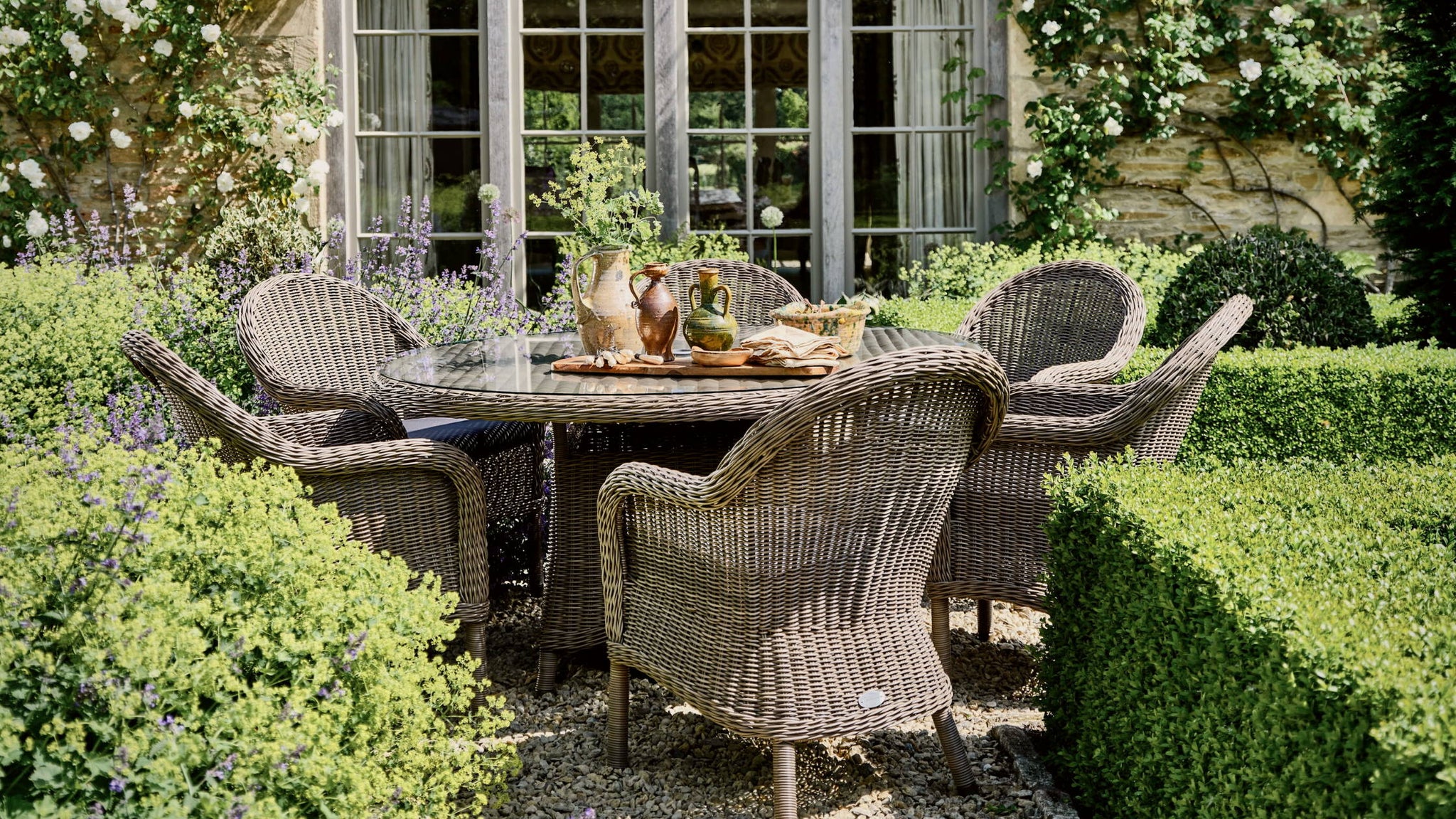
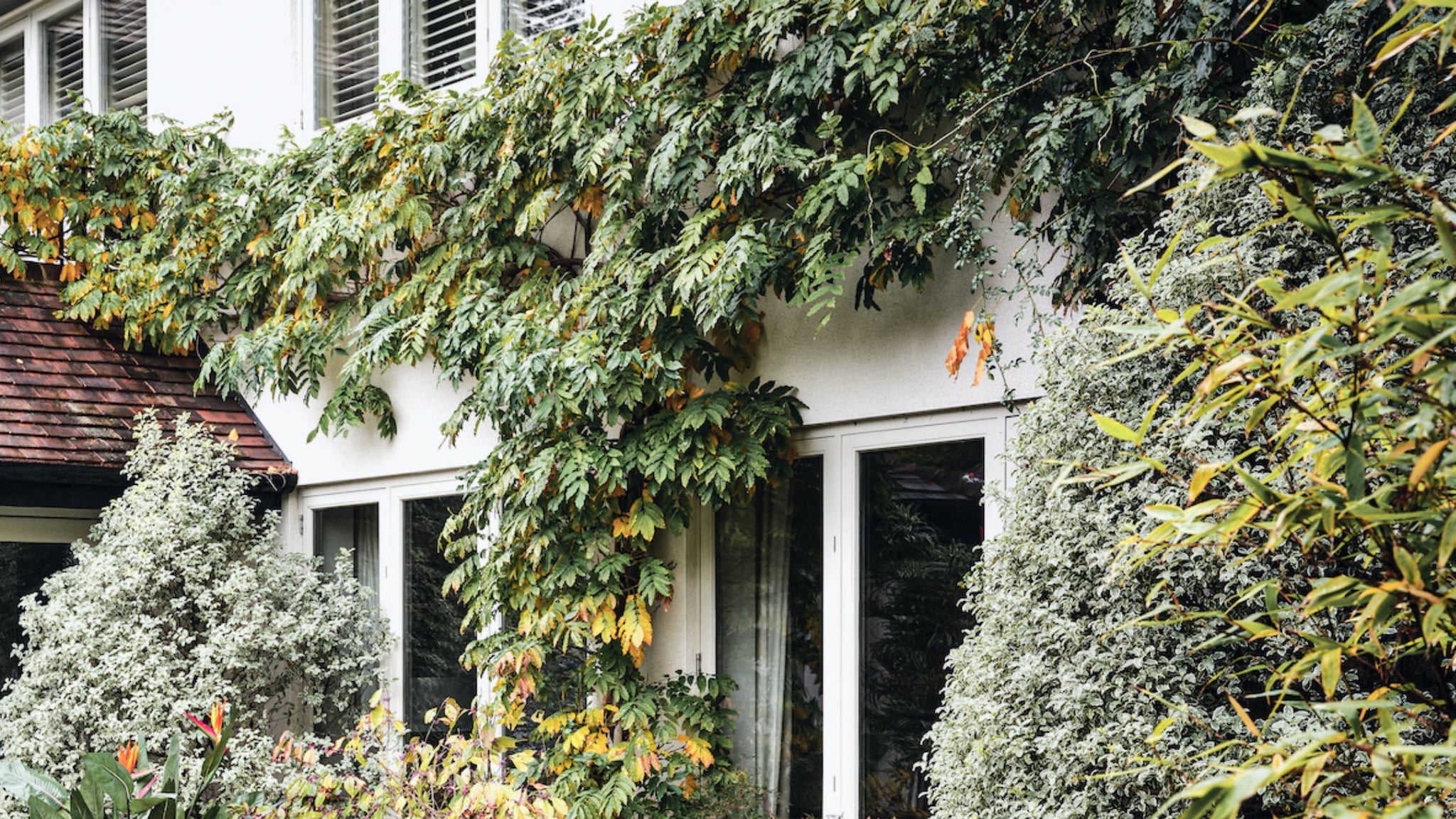
Today’s cottage garden is mostly flowers, but don’t hesitate to include some herbs, especially lavender and thyme.  You will probably find that roses will be the backbone of your garden, and rambling and climbing roses will bring your garden right up the walls of your home.  Some excellent rambling roses include Paul’s Himalayan Musk, Kiftsgate, Blush Rambler, and Princesse Marie.  Trellisses can be used for some of the less adventuresome climbers to add some vertical interest away from the home.  Don’t hesitate to add shrub roses, as well, especially fragrant, old rose varieties like Duchess d’Angouleme and Topaz Jewel.   I have grown Topaz Jewel for years, and have found it to have one of the most entrancing fragrances possible.

Cottage Garden Design

Credit: UGArdener’s photostream

Both perennials and annuals have a place in the garden design, and such perennials as phlox, lilies, hollyhocks, and cowslip are very appropriate for your garden.  You can bring your garden to life in the spring if you plant peonies, tulips, hyacinths, crocus, and lily-of-the-valley.  Bear in mind that most perennials will spread over time, so be prepared to thin down the more aggressive spreaders every year or so.  You can either replant them in another section of the garden or give them to a gardening friend.

Annuals definitely brighten and cheer up the summer garden, and the multitude of colours and forms will add variety to your cottage garden.  Many people who make these gardens enjoy using heirloom annuals to lend more authenticity to the setting.  It is nice to think that the flowers such as sweet peas, bachelors buttons, cleome, poppies, and larkspur were all planted lovingly by women centuries ago, and we are still using them in our gardens today.  Alyssum is a lovely white annual with the fragrance of honey and will self-seed reliably.  This flower will begin to bloom in early summer and continue right up to a hard frost.

The individual gardener will have to decide whether to keep their plantings in more orderly rows or use drifts of one kind of flower to draw the eye into the garden. Your rambling rose on the house wall will provide a great backdrop for a drift, especially if there are a few accent plants scattered through it.

Paths are as an important part of any cottage garden as are the flowers.  Do not make your beds between the paths too wide as it will be difficult for you to reach if you need to weed or transplant. Paths will also allow you to more fully appreciate your garden, especially if you have the space to make it fairly large.  Wood chips or gravel are favored material for use on the path, but bricks can also blend in quite nicely in the cottage garden.

Always keep in mind that there is no one ‘perfect formula’ for creating cottage garden.  Creating the perfect garden is a very personal matter and reflects on the thoughts and dreams of the gardener.


Image Credit: Image 1, Image 3


If you’re lucky enough to have a conservatory, then you’ll know of the great space that it provides. Offering a relaxing, living and entertaining area, conservatories are the link between a garden and your home. Whether you’re building a new conservatory, or are simply revamping you’re current space, you’ll find that there are many options when it comes to adding furniture. These can sometimes be a little overwhelming, and with so many varieties of colour, shape, design and size, you can quickly be discouraged in styling your space, with the conservatory ending up as a spare store room. However, if you really want to create the conservatory of your dreams, there are few pointers to take into consideration.


Conservatory Size

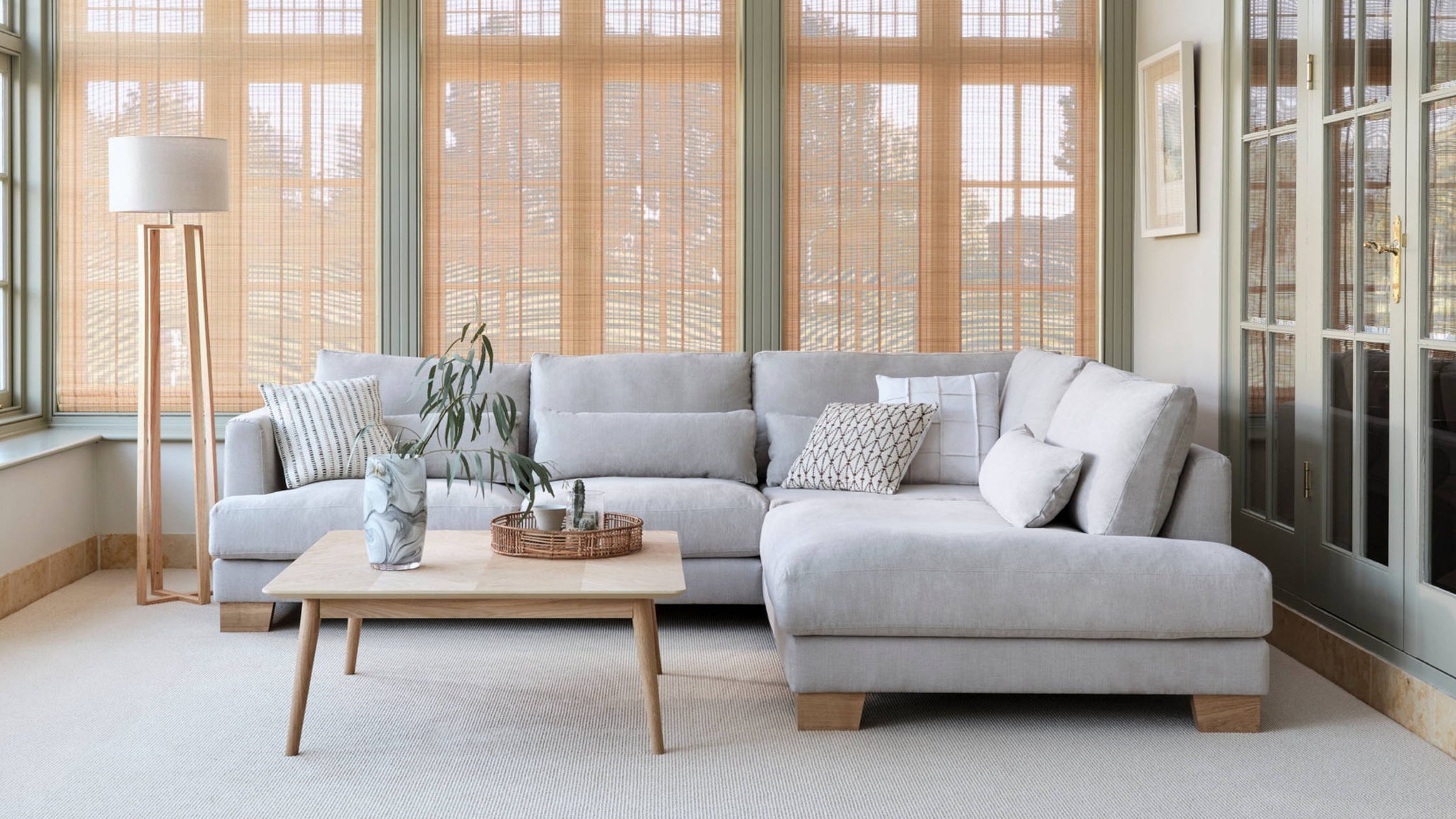
Conservatory in Essex Garden, UK.It’s important to establish how big your conservatory is. This indicates the size of furniture you should buy, as the last thing you should do is crowd in too many pieces. A conservatory should be light, airy and have a feeling a space, and therefore only the largest can incorporate dining pieces. For smaller rooms, you can utilise rattan sofa sets with a light colour which will reflect the light, offering subtle furnishings and creating a relaxing ambiance.


Conservatory Use

Like all rooms, it’s important to establish exactly what your conservatory will be used for. Will it be an entertaining area, a dining area, or somewhere to retreat to on a warm spring day? This will greatly influence the furniture you’ll need, and is a vital consideration to make.


Conservatory Budget

Budget is always important, and how much you want to spend on conservatory furniture will depend on the priority of the room. High-end and good quality furniture is ideal if you want to spend a lot of time in your conservatory and host guests. Alternatively, you might like to look out for furniture sales to outfit your space on the cheap.


A beautiful English conservatory overlooking the sunny countryside


Conservatory Styling

Much of the best conservatory furniture is made of natural rattan wicker, but there is still a wide variety of products in this range. Whilst natural rattan tends to be damaged by the high levels of sunlight, synthetic rattan is a great alternative, offering a durable, comfortable and natural looking material that is ideal for long term conservatory use.


Synthetic rattan furniture has become very popular over the past few years, largely because it is far more durable than its natural counterpart, without you having to compromise on its attractiveness. Originally developed for use in garden furniture, it is extremely hardwearing and can cope with extremely high levels of UV levels. This makes its use in conservatory furniture ideal, and it’s often worth paying the higher price for pieces that will easily outlive natural rattan products many times over.


Customising your conservatory with rattan furniture is very easy, and here at Bridgman we offer products in 15 varieties of style and colour. This means that whatever your tastes, you can find the range of pieces, no matter how big or small your space is. Meanwhile, with the ability to add luxurious cushions which also include UV prohibitors, you can create a chic, stylish and luxurious conservatory with rattan furniture which will last for years to come. For more inspiration, take a look at our post conservatory furniture ideas.


Image credit: Town & Country

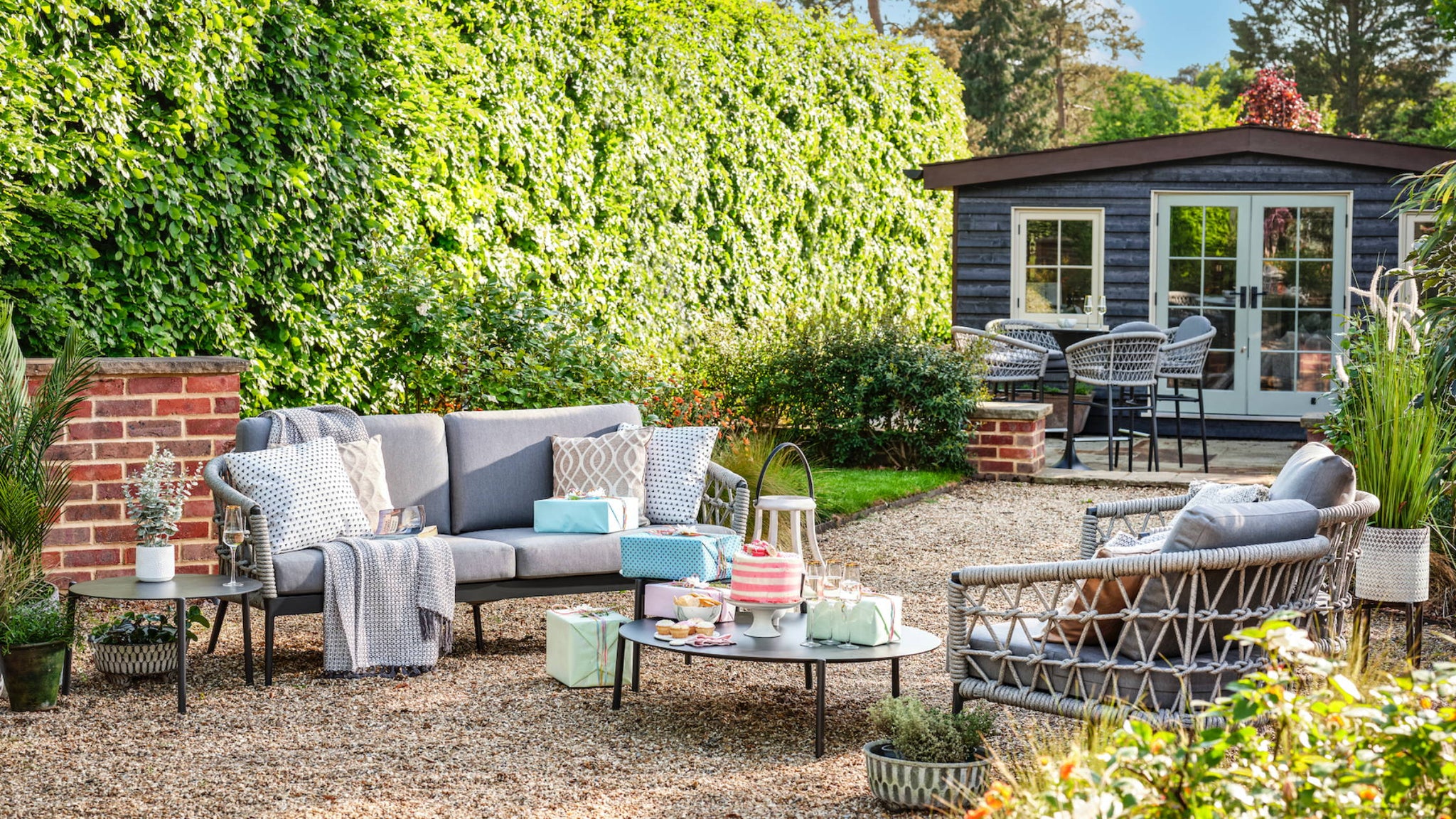
For most people, having an outdoor space offers the opportunity to get some fresh air, enjoy warm weather and entertain guests. Whilst you may not be an enthusiastic gardener, having a patio area which looks inviting and vibrant is important for maximising the appeal of your garden. You can help lift your patio with the great range of luxurious outdoor furniture which is available, from modern table sets to rustic looking rattan loungers. But, if you really want to bring your outside patio space to life, incorporating a bit of garden design will add the finishing touches.


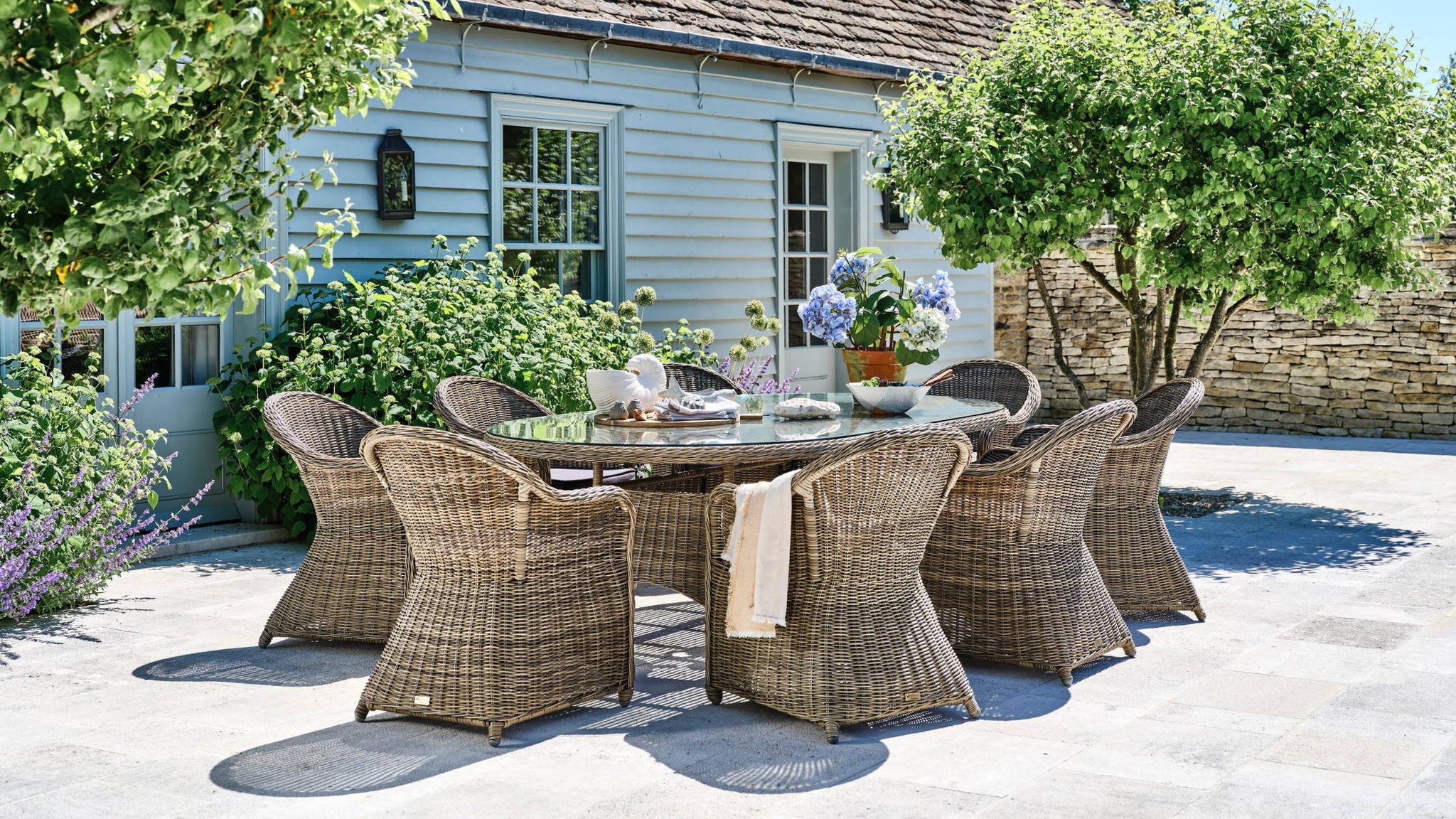
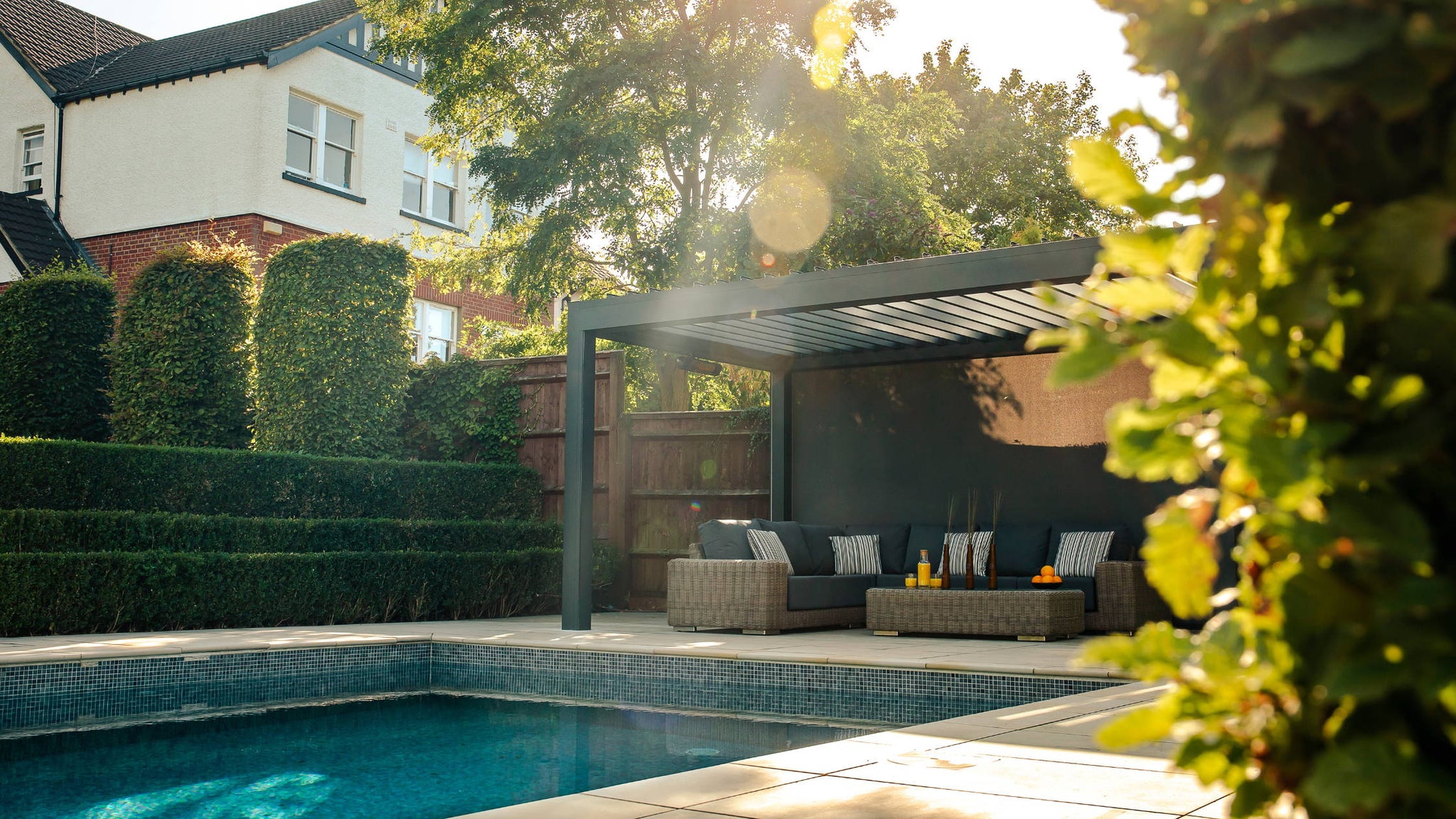
Depending on your preferred style, you may want to create the ultimate chic and modern environment, or a more gentile and rustic appearing outlook. The scene can be set by your choice of furniture, and you can indulge in straight lines and crisp curves with metal and glass materials. Alternatively, you could create a rustic ambiance by using natural wicker and rattan products, or conjure up some formality of the English estate garden with wrought iron and stone features.


Planting and garden design plays an important part in really setting your preferred style off, and you can use different materials and varieties in keeping with your theme to add some life to your patio area.


Traditional Garden Design

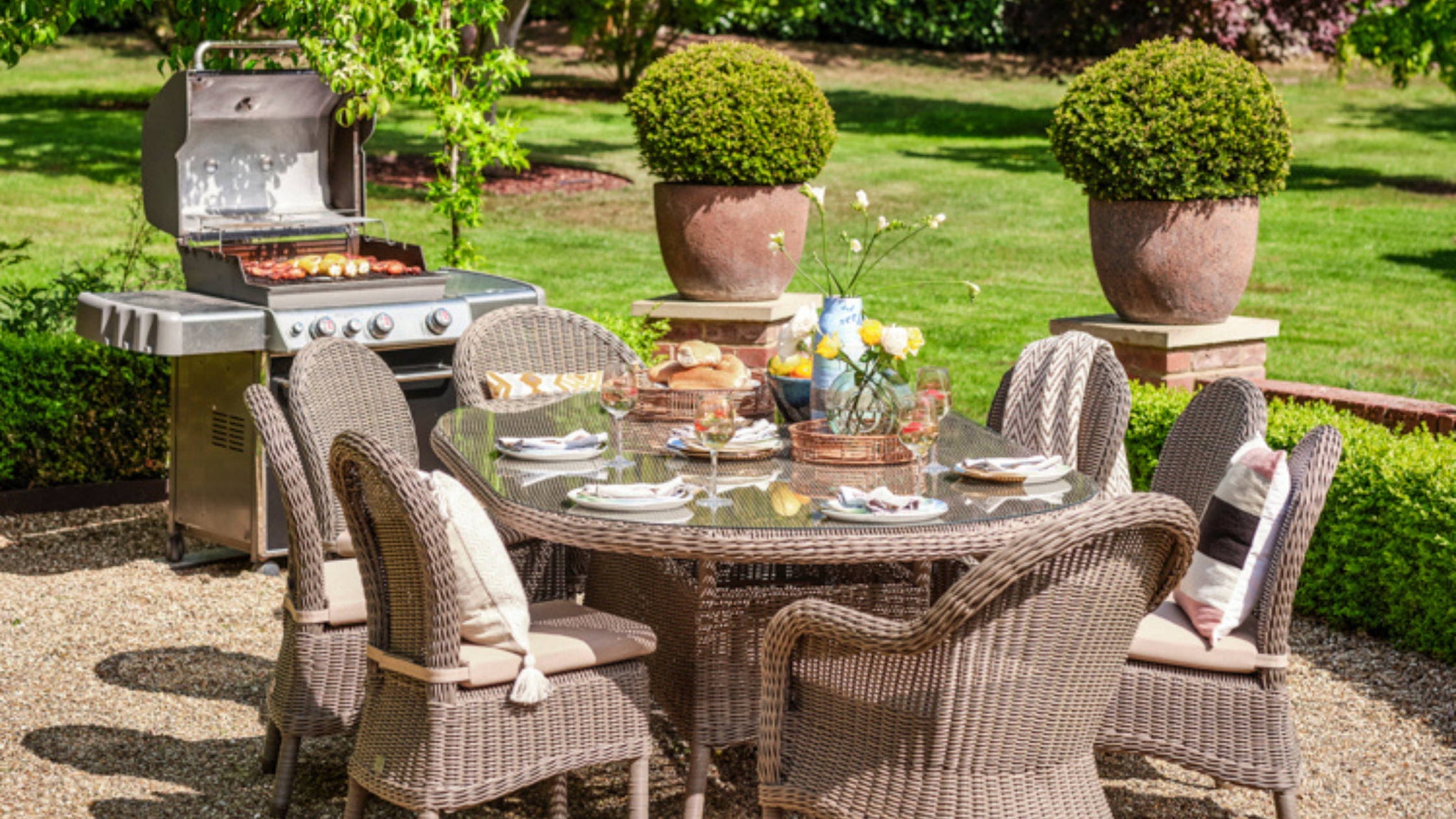
Traditional English garden patio design If you want some formality to your patio, then you only need to think of English Heritage gardens for some inspiration. Topiary can be perfect in this instance, and you could use cones and spheres of clipped privet in pots, or box hedging around the seating area. Ornate garden statues are also an integral feature of traditional gardens, as is symmetry, so try and balance all planting and designs accordingly.


Rustic Garden Design

Rustic and country looks are easily achieved by the use of natural materials. Bedding plants are ideal, and you can fill pots with bright colours which tumble over the edges. Glazed and terracotta pots work best, and you can use wicker trellis or pagoda’s to grow roses and clematis up. Meanwhile, a carefully placed trug, mini fork or boot works wonders for adding that extra icing on the cake.


Modern Garden Design

Modern garden furniture set on a contemporary patio in EnglandModern gardens often utilise manmade materials to instantly create an ambiance which is up to date. Fussy and flowery planting should be avoided, and like in formal gardens, you can use topiary. However, your choice of pot might differ here, using a stainless steel or reinforced glass container to offer a sense of the futuristic. Grasses also work well in modern gardens, and are easy to look after in the patio environment. You can always introduce some flowers to the scheme as well, but limit your palette and plant choices, staying away from traditional cottage garden plants such as roses, poppies and peonies.


Patio design is much more than the furniture that you place, and to get the most from your space you should carefully think about the ambiance you are creating. By utilising plants to their best, and a range of materials to suit your garden furniture, you can make an appealing place to wine, dine and entertain.


Though your garden may be predominantly used during daylight hours, warm spring and summer evenings often offer the opportunity to indulge in your outdoor space after the sun has set. Garden’s can become magical places as darkness descends, and you can utilise lighting to create intrigue and mystery, allowing you to spend even more time outside when the weather is good. Avoid using floodlights, as these will take away any magic that you’re trying to create. Instead, consider the following points to develop a garden which draws you in both day and night.


1. Candles

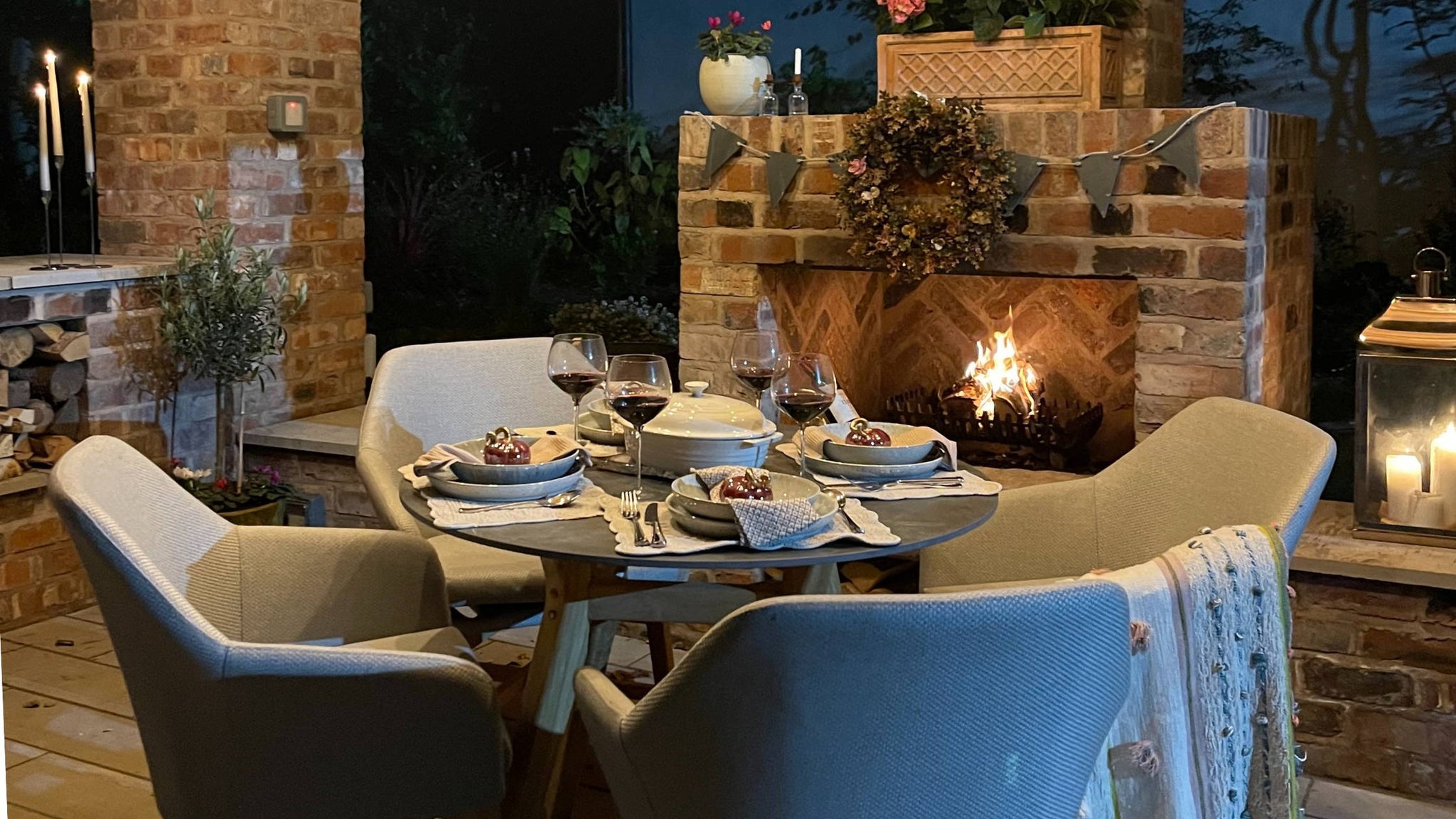
Candles are often used on patios an in garden design to lighten outdoor spaces.On a warm, still night, there is no better way to light the garden than with candles. Whilst it’s not as easy as flicking a switch, taking the effort to bring one of the most natural lights available to the garden will have great rewards. Flames will gently flicker in a soft breeze, and you can create a truly romantic scene in any outdoor space by using candles. In addition, if you don’t have much in the way of nightly scents, you can utilise perfumed candles to offer an additional aroma to the garden (candles on a patio; right).


2. Solar Lights

Solar lighting is a great way to illuminate your garden because there is very little involved. You are sometimes at the sun’s mercy, but in the spring and summer months there is normally enough daylight to top up lights and allow them to beam throughout the evening. Solar lights now come in a huge variety of shapes and sizes, and you can get fairy lights to string through shrubs, pedestal lights to push into the ground, or small lights looking like candles or rocks to provide a quick and easy way of illuminating gardens.


Fire pits are often used in garden design for lighting and warmth.3. Fire Pits

Fire pits not only keep you warm well into the night but they also emit a warm glow. There is nothing quite like the ambience created by a flickering flame coupled with the intoxicating aroma of a roaring fire. Fire pits are available in many shapes and sizes and are reasonably inexpensive. They can be used on a patio or in the garden to great effect. Fire pits are also useful when it comes to keeping insects away at night.


4. Coloured Illuminations

Many garden lights come in white, but for a fantastic and mysterious effect try mixing the colours up a little. Whilst you might want to use white lights around patio and lounge areas, if you’re looking to create interest in plant borders, lights of green, blue and red can cast some interesting shadows and bring an ethereal look to otherwise normal looking flowerbeds.

5. Highlighting FeaturesLights on a garden fountain, a great way to add light to your garden.

A great way of using lighting to your advantage is to highlight features within your garden. If you have a fountain, then its soft bubbling will naturally attract attention. You can create even more of a feature at night by lighting it, using underwater lights, or even floating solar powered products or candles (lighting a fountain seen on a grand scale; right). Likewise, you might have specific plants which are featured in your garden, or even beautiful architecture on your conservatory. Highlight these by placing lighting so that it catches certain areas, such as a particular flower or the wrought iron of a conservatory finial.


6. Creating Walkways

You don’t only want to light your garden, but you want to draw people into your outside space. Using lights is a great way to do this, and you can use illuminations to guide people along paths and around corners.


7. Incorporating Height

When you’re placing lights, don’t forget to think about creating height. In the dark, our senses can be more sensitive than they would be in daylight. In addition to adding low level light, use lanterns or fairy lights in shrubs and trees to draw the focus towards the sky. You can also position ground lights so that they beam light upwards, creating more intrigue for people to explore as they enjoy your outside space throughout the long balmy nights.


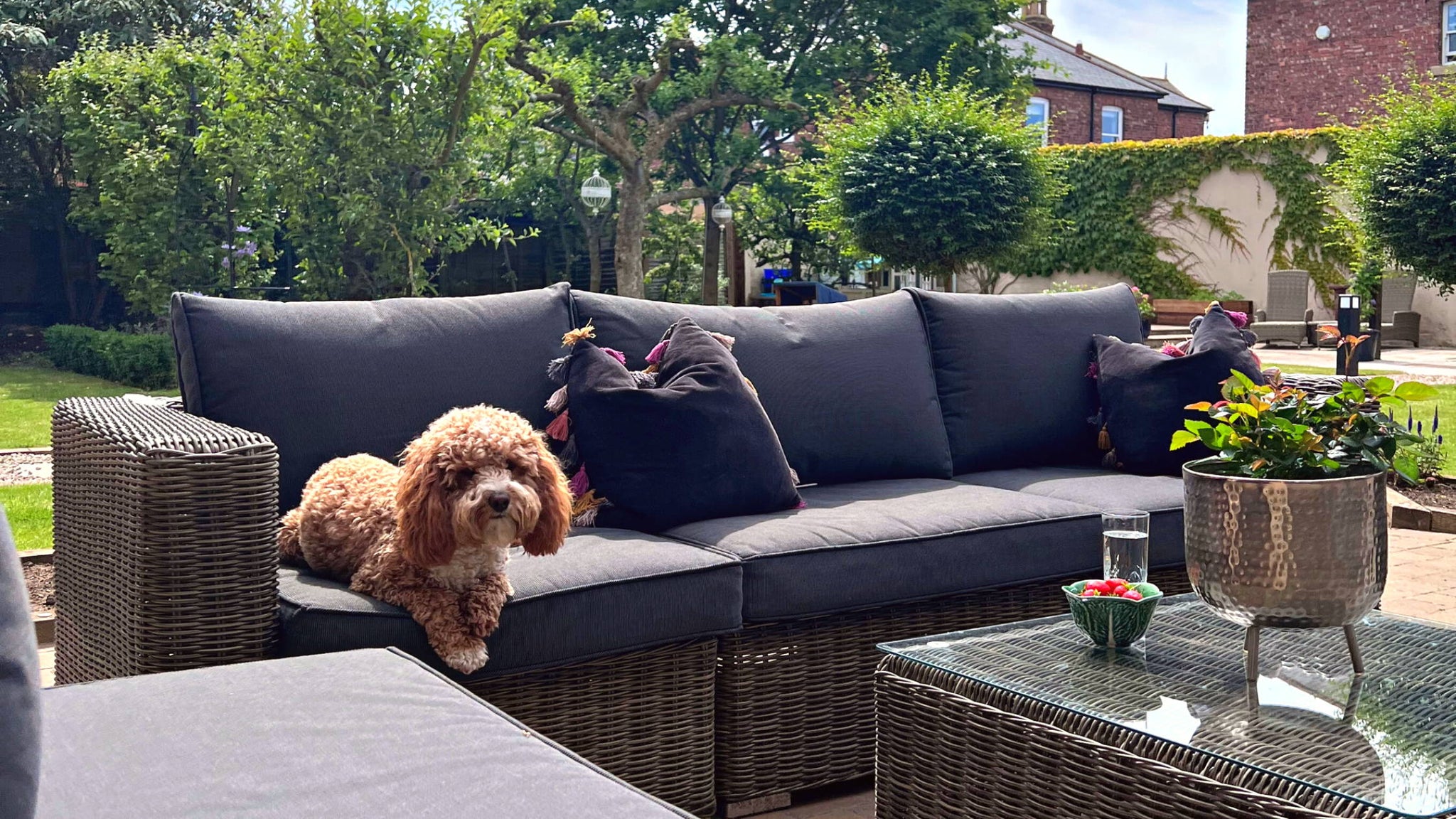
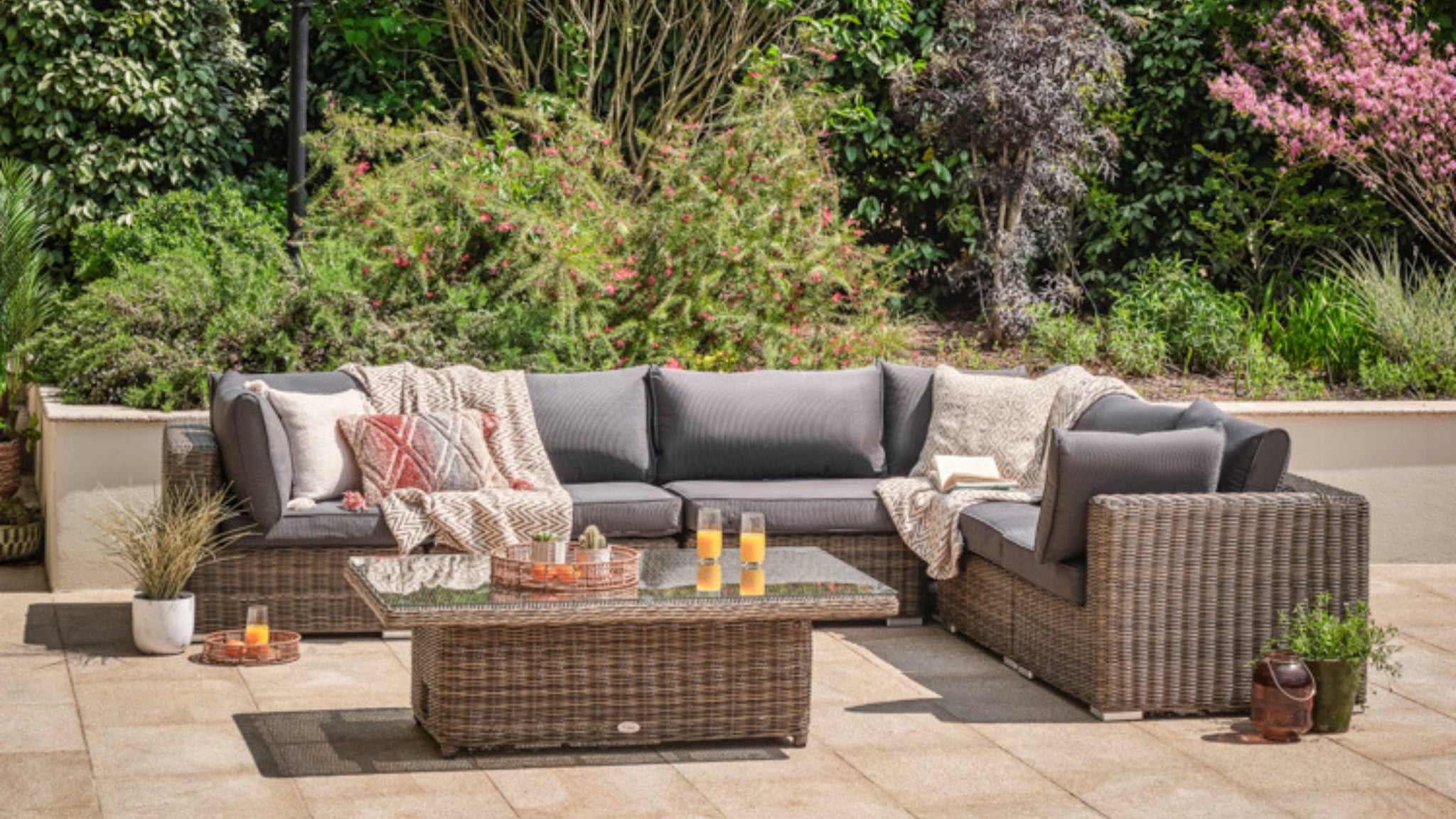
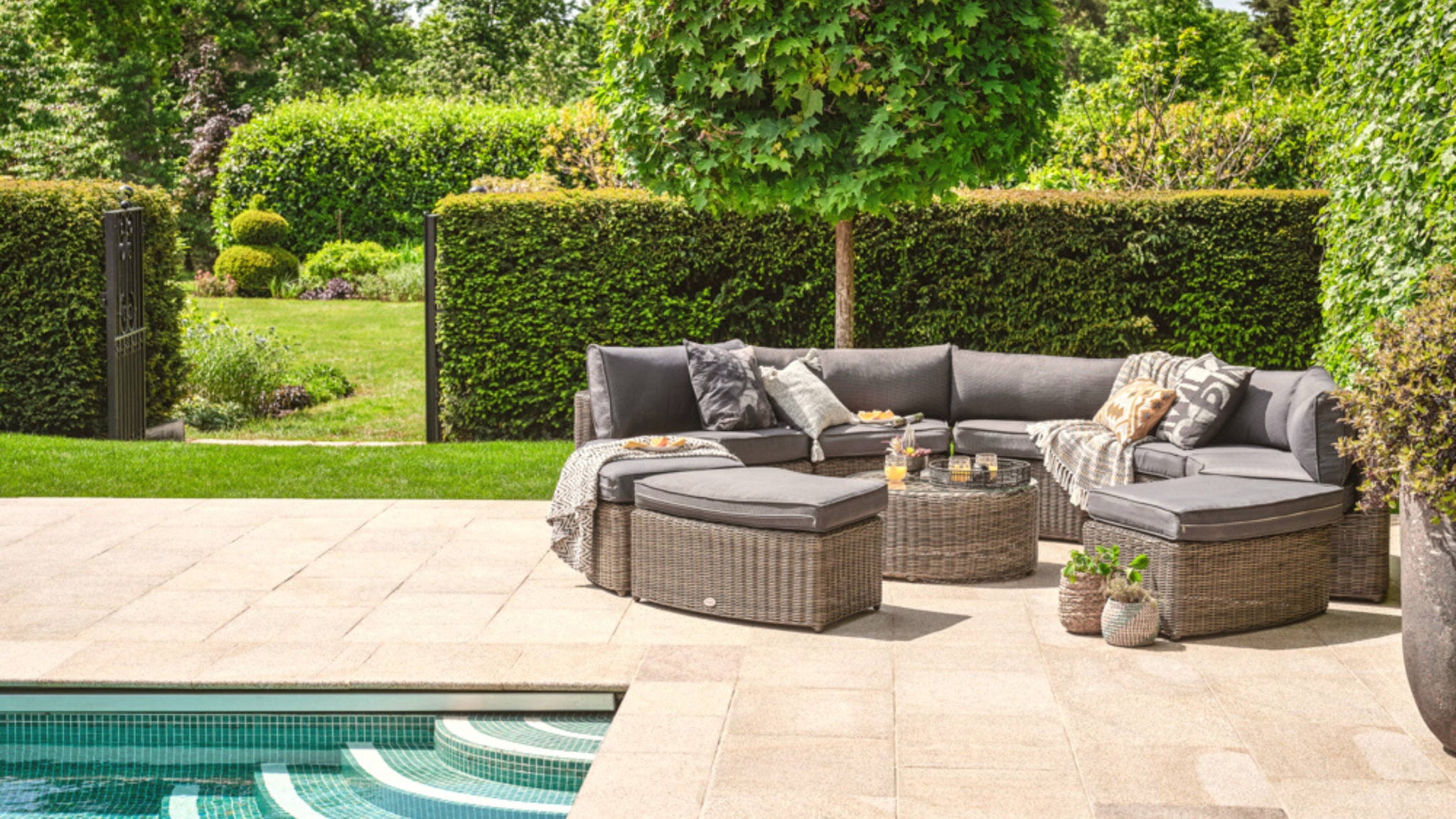
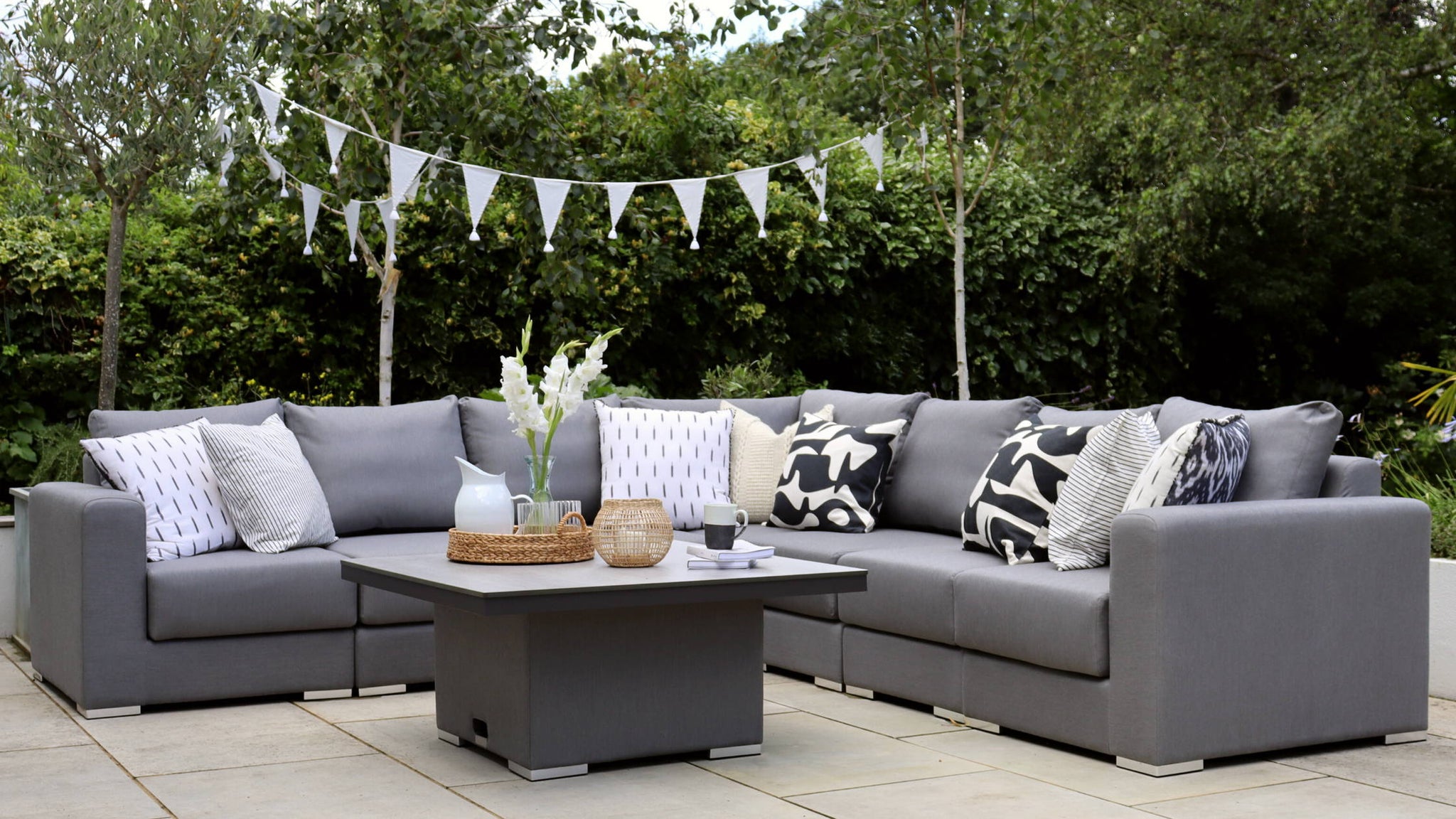
Double modular garden sofa LHIn the UK the concept of outdoor living has increasingly caught on over the past decade. With outdoor living trends showing that more people are making use of their outdoor spaces, it is inevitable that the demand for luxurious relaxation areas has also increased.

Rattan modular corner sofaThis increase in demand has led to furniture manufacturers designing ranges of outdoor furniture that stand the test of time whilst being convenient, attractive and comfortable.

There is now an ever growing trend towards lounging outdoors which has led to the Modular garden sofa for 2 peoplecreation of modular garden furniture. Modular furniture is unique in style and design. Because it is comprised of individual modular seats it can be configured into any shape, making it convenient for all to use. If required extra seats can be added, or existing seats can be moved around, making it extremely versatile in almost any situation and allowing you to seat as many people as required.

Modular rattan day bed chaise loungeNot only is it extremely practical but it’s also is impervious to weather. This ensure that is can be left outside all year round  allowing it to be left outside all year round, further adding to the appeal of this stylish and comfortable outdoor furniture.


modular garden furniture

If you are looking to create the perfect outdoor living area, why not take a look at our range of modular garden sofa sets.


The internet is a wonderful place to find inspiration for your garden, and whether you’re planning on venturing out into the garden or are stuck inside due to bad weather, spending a few minutes perusing the web with a cup of tea can uncover some fantastic garden design blogs. There are some great blogs which have tips, tricks and garden design ideas that you could use in your own space. And if you only have the chance to read a few, here are six great reads which will inspire you to get out and start designing your perfect outdoor living area.


1. Fennel and Fern

garden design blog fennel and fernFennel and Fern is one of the UK’s top blogs and gardening websites, and you’ll find more than enough here to keep you occupied. The blog is updated most days with inspirational garden design ideas, new plants which have become available, or even the chance to enter competitions. Fennel and Fern also have a growing advice section, a daily photo blog and links to beautiful gardens around the country. Their photography is sublime, and you’ll come away looking forward to popping back each morning for your inspirational read. Keep updated by following on @FennelandFern.


2. Potting Up

garden design blog harriet rycroftPotting Up is one of the great garden design blogs written by Whichford Pottery gardener Harriet Rycroft (@HarrietRycroft). Whichford Pottery is a family run business which creates a beautiful range of ornamental and vegetable garden pots. Harriet brings pot planting to life by showing how to create inspiring designs with additional tips, tricks and plant lists. It’s a great blog to peruse even if you don’t have a garden as you can always utilise container gardening on your balcony, porch or doorstep.


3. The Guide to Gay Gardening

Gardening and garden design blogSuburban gardener Geoff Wakeling (@GeoffWakeling) is a London gardener whose blog offers a range of plant picks, allotment and chicken keeping tips, and garden design ideas. Working within a small garden himself, he’s a self confessed plant geek who likes to hoard as many specimens as possible. There’s plenty of advice on encouraging native creatures into your garden, and you’ll find that wildlife gardening and designing without breaking the bank are two key ideas here.


4. Guardian Gardening

garden design blog guardian gardensThe Guardian (@guardiangardens) offers an inspiring gardening blog on their website covering a variety of topics, and because it’s written by a range of gardeners, there’s always something of interest for everyone. Gardening expert Alys Fowler (@AlysFowler) has a great ‘Ask Alys’ section if you’re needing advice, whilst Jane Perrone (@janeperrone) offers inspiring tips and guides for organic gardening and the latest in garden news.


5. Laetitia Maklouf; Grow, Love, Live

garden design blog laetitia makloufIf you’re looking to find a creative, innovative and inspiring read, then Laetitia Maklouf is a fantastic blog. Laetitia (@LaetitiaMaklouf) has a knack for offering something knew to the gardening design scene, and whether you love her heathers in teacups or her blog posts on plant colour, she’ll easily be able to inspire you to try something a little avant-garde and new in your own garden space.


6. Garden Beet

garden design blog garden beetGarden accessory company Garden Beet offer a great blog if you’re looking for some design tips. Whether you want specifics on garden design ideas, or simply want some inspiration to help formulate a new design for your own space, Garden Beet (@GardenBeet) have a number of good reads. If a living wall is on your wish-list or you want to peruse interesting ideas such as using your front garden as a play space, Garden Beet has some thought provoking and interesting articles.


As the cold weather rolls in and much of the gardening process becomes about clearing borders and pruning back shrubs, you may be lulled into a sense that the garden has become an oasis out of bounds for the winter season. However, this is far from true and many plants will not only provide a spectacular backdrop for the beautiful frosts and snow that winter brings, but actively grow too. Designing a winter garden is not hard as long as you pay careful attention to the requirements that such a garden needs. Whilst summer gardening is about filling beds and borders with lush foliage and flowering plants, winter gardening is about the contrast between islands of plants that are dotted around the garden. And if you’re looking to create an inspirational winter garden design, there are a few points that you should consider.


Plants

garden design for the winterIt’s important to pay attention to plants in the winter garden and ensure that you have a variety of specimens that will light up any space through the colder and darker months. Like the rest of the year, shrubs play an important part in providing a structural backbone to any winter garden design, but at this time of year you should try and incorporate evergreen species (see Cambridge University Botanic Gardens use of winter evergreens; right). Species of photinia, aucuba, pieris and even conifers are ideal, allowing you to create a backdrop against which other plants can be placed. Deciduous plants can also be used creatively to some degree, and the sparkling trunks of silver birch or the fiery tones of common dogwood stems do wonders at bringing intense colour into the winter garden.

Once backdrop plants have been established, you can use a range of flowering specimens to bring the garden to life. Cyclamen are ideal for winter garden design, as are pansies and the late winter emerging bulbs such as snowdrops and crocus. Meanwhile, flowering plants such as winter jasmine, forsythia and skimmia all provide the extra height needed to create interest at all levels.


Planting

Flowers in a winter gardenSimply having winter garden plants isn’t enough to draw your design together though, and you need to ensure that your planting makes the most of your plants. Like gardening at other times of the year, you should ensure that your evergreen shrubs and deciduous varieties are planted with contrast in mind, allowing the red stems of dogwood to shine even more brightly against the lime green of aucuba leaves for example. Meanwhile, you should ensure that you plant smaller flowering species in groups rather than dotting them individually throughout flowerbeds (use clumps of snowdrops rather than placing individual bulbs; see picture). Pansies, cyclamen and small bulbs including crocus can easily become lost if planted individually. They will not create the vibrant impact that is needed in a winter garden design, and therefore must be planted in large groups to draw the eye. It is far better to have one or two groups at the approach and ends of your garden, than to have many plants spread throughout but which easily get lost amongst other planting.

If you have a patio leading to your garden, utilise this space by including winter pots filled with skimmia, pansies and cyclamen. This will draw your eye from inside the house to your outside space. Your senses will then be pulled to other islands of colour which have been created in your winter garden, allowing you to enjoy the space without necessarily needing to be in it.

There is no reason why a garden has to be a barren and desolate space during the colder months of the year. Whilst you may not actually be outside much, providing spots of interest with shrubs and flowering plants will allow your oasis to be engaging for all 12. And, on the crisp winter days when the sky is clear, you’ll find that exploring your winter garden is a pure delight.


Richard Reynolds has become notorious on the gardening scene for being a green thumbed individual with a knack for breaking boundaries. Following in the footsteps of many before him, he is certainly a leader on the UK guerrilla gardening London scene, and if you were to traverse the city for long enough you would undoubtedly stumble upon tree pits filled with flowers or roundabouts covered with colour. You may even find Richard in the midst of pruning, planting or watering his latest patch.

Guerrilla gardening in London, Sunflowers by the Houses of ParliamentI think guerrilla gardening’s important because there are things in life that it’s best to just go and do rather than ask for, guerrilla gardening is about winning people round through your actions, your commitment and demonstrating that the fears which might deny you permission were you to ask, are usually unfounded,” says guerrilla gardener Richard Reynolds. And, if you want to venture beyond the boundaries of your garden, and indeed your conscience, then guerrilla gardening is certainly for you.

Started by Liz Kristie in 1973 when New York’s skyline was quickly towering upwards and leaving little space for flowers and foliage, guerrilla gardening could simply be described as planting up a space which isn’t your own. Whether it’s a tiny tree pit on the street outside your house, a jumbled planter by the local supermarket, or a once cared for roundabout which the council has long since forgotten; take the initiative to pop in a few plants and start caring for them, and you’re a guerrilla gardener. It’s not strictly legal but with thousands of people across the world indulging in this popular pastime, the movement is certainly gaining a huge following.

It’s not at all hard to start guerrilla gardening, and you’ll quickly find that the hobby takes hold. All you need is to notice a small patch of ground that requires caring for, and take action. If it’s a deserted patch of planting once cared for by the council you could start to prune it back and weed the area. A barren tree planter or flower bed can quickly be filled with flowers and shrubs, and the joy is, that every time you pass your thriving guerrilla garden, you’ll be filled with pride that you’re taking action and actually improving your neighbourhood. Don’t spend a fortune on plants, and if you’re already a gardener, simply use cuttings from your own oasis or sow extra seeds with guerrilla gardening in mind. Sowing in situ doesn’t always work as you’ll find that many councils hire streets cleaners who don’t know the difference between a marigold seedling and a developing thistle, and you could visit your patch to find that weedkiller has destroyed the lot. The exception is on Guerrilla Gardening International Sunflower Day (May 1st) and Guerrilla Gardening International Tulip Day (Oct 9th) when thousands of people across the world take to the streets to plant the tiny seeds of great plants to come.

A guerrilla garden in London with a London bus in the backgroundWhilst many in the guerrilla gardening movement opt to head out under the cover of darkness, others dare to plant areas in daylight. Richard Reynolds book, ‘On Guerrilla Gardening: A Handbook for Gardening without Boundaries’, is an inspirational read, and it’s a great place to find do’s and don’ts, especially if you’re a little concerned with venturing out alone. www.guerrillagardening.org meanwhile is the ideal place to head if you want safety in numbers, and you can share tips on the forums as well as find groups to venture out with so you’re not alone and can get a little experience under your belt. And if you follow Richard’s twitter account (@Richard_001) you’ll very quickly find yourself desperate for darkness to fall so that you can take to the streets and expand your gardening boundaries.


A conservatory is a unique space that bridges the gap between the home and garden, allowing you to enjoy the feeling of being outdoors without leaving the comfort of your home. If you are looking to build or refresh your conservatory, furniture can make a dramatic impact on the look and feel of the space.

Choosing the correct type of conservatory furniture for your needs can be difficult though as there are so many choices, not limited to colour, size, shape and design. It is also important that it fits in with your conservatory design as well as any specific requirements.

With a plethora of conservatory furniture designs it is important to have a good understanding of what you are looking for before considering your options. Below are a few questions we recommend our customers ask themselves to help generate some conservatory furniture ideas:


How much space do I have?

Conservatories are usually well lit, open spaces. It is important to ensure that furniture is not cluttering or overwhelming the space. For small conservatories you may consider a rattan sofa set, whilst a larger conservatory may be suited to conservatory dining furniture. Lighter weave colours help brighten the room and create a sense of space.

Who uses the conservatory?

What do you use your conservatory for? Is it somewhere for you to relax on a Sunday afternoon with a book? Do you use it for dinner parties? Or is it used as a family room?

What kind of budget do I have?

Think about the amount of time you are going to spend in the conservatory. If you consider it an important part of the home it may be wise to invest in luxury conservatory furniture. Everyone likes to receive a good deal so look out for a conservatory furniture sale.

What style do I find attractive?

Furniture for conservatories is usually made of natural rattan wicker. This is often attractive however is susceptible to UV damage. Synthetic rattan with the correct UV inhibitors is a great alternative as it is stylish, durable and comfortable. For more information on suitable conservatory furniture materials see this material guide.


Rattan Conservatory Furniture

A rattan conservatory sofa and coffee tableSynthetic rattan furniture has become a very popular choice for conservatory owners. Like natural rattan it is attractive and robust; however that is where the similarities end. Synthetic rattan furniture was first developed for use in the garden. It is therefore very robust, and made to withstand the elements.  Conservatories are susceptible to high UV levels and as result the furniture that is placed in them must be resistant to extreme UV levels. When purchasing conservatory furniture, assessing the quality is important – quality conservatory furniture will be handcrafted and should come with a guarantee. At Bridgman we supply rattan furniture in 15 different colour and style weaves. They are all designed to be comfortable and durable and would grace any conservatory.


Conservatory Furniture Cushions

Like with the furniture itself, it is important to choose suitable cushions. Look for cushions that have UV prohibitors in, making them less likely to fade. Cushions can ‘make or break’ a chair so ensure their comfort before purchasing. Generally speaking chairs with higher backs and back cushions are the most comfortable.


Like with all furniture purchases, we recommend that customers visit a furniture shop to assess differences in comfort and quality. This should also give you more conservatory furniture ideas, allowing you to find a match to best suits your needs.

Statistics from two of the UK's leading banks show a dramatic increase in customer spending on home and garden improvements. With outdoor renovations returning almost 300% of initial investment, home owners are focusing on improving their current homes rather than moving.

An infographic showing the increased spending on garden and home improvements

Use this on your website:
<div><br /><a href="http://www.bridgman.co.uk/blog/outdoor-living-trends-infographic/"><img src="http://www.bridgman.co.uk/blog/wp-content/uploads/2011/11/Outdoor-Living-Trends-Bridgman-11.jpg" alt="Outdoor Living Trends" border="0" /></a><br />Source: <a href="http://www.bridgman.co.uk">Bridgman</a></div>


© 2012 Bridgman Garden Design Blog Suffusion theme by Sayontan Sinha